Paper Cup Machine Technology Explained: From Raw Paper to Finished Cup
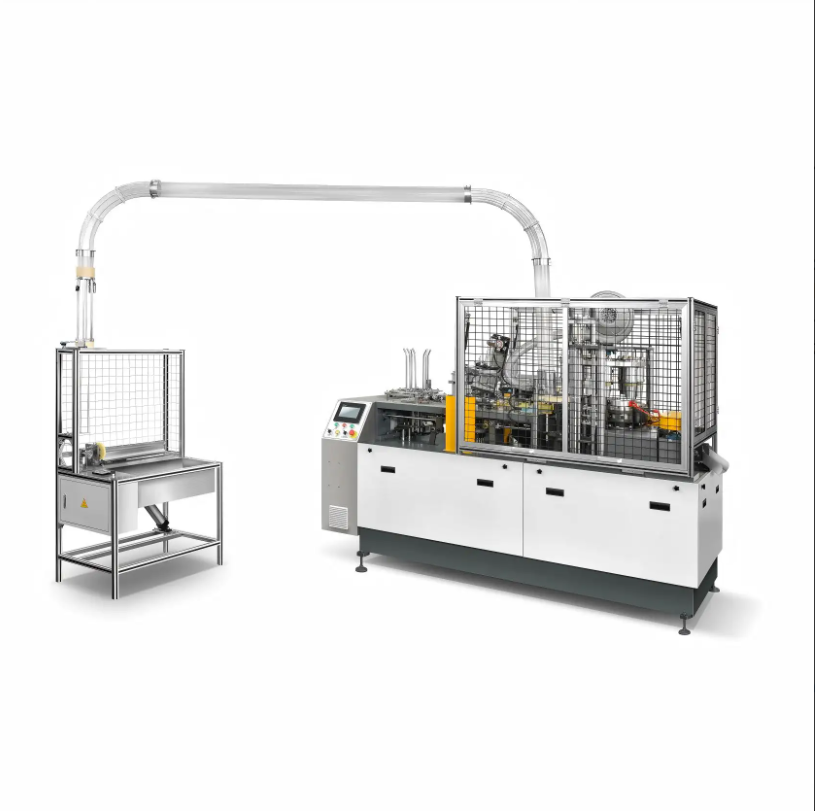
For packaging entrepreneurs and procurement managers evaluating their first paper cup machine investment, understanding the technology behind the production process demystifies the equipment selection decision and enables more informed conversations with machine suppliers about the technical specifications that matter most for their specific cup formats and production volumes. The paper cup manufacturing process is a marvel of precision engineering that takes flat, printed paper and transforms it into a perfectly formed, leak-resistant beverage container in less than a second — through a sequence of mechanically elegant steps that must execute flawlessly millions of times before the machine requires significant maintenance attention.
Raw Material Preparation: The Foundation of Cup Quality
Paper cup quality begins not with the machine but with the paper. Cup-grade paper must be coated on at least one surface — and ideally both for maximum liquid resistance — with food-grade polyethylene that creates the waterproof barrier between the paper fiber structure and the hot or cold liquid the cup will contain. The paper's basis weight, coating thickness uniformity, stiffness, and moisture content all affect how it processes on the paper cup machine and the dimensional accuracy of the finished cup. Cup fans — the pre-cut, pre-printed fan-shaped blanks that form the cup side wall — must be cut with millimeter-level precision to ensure consistent cup diameter and straight side seam alignment. Properly prepared, high-quality raw materials reduce machine stoppages from paper jams and wrinkles, improve seam bond quality, and reduce scrap rates — making raw material selection and specification management as important to paper cup machine productivity as the machine's own mechanical quality.
The Forming Station: Where Paper Becomes Cup
The forming station is the mechanical heart of the paper cup machine — the assembly where flat fan-shaped paper blanks are transformed into three-dimensional cup bodies through a precisely sequenced series of mechanical operations. A rotating mandrel — a tapered steel cylinder matched to the internal shape of the target cup size — receives each fan blank from the feeding mechanism and rotates it around itself, simultaneously applying hot-melt adhesive to the overlapping side seam area using a precision glue nozzle. Pressure rollers compress the side seam as the mandrel rotates, creating the bonded seam that gives the cup its cylindrical rigidity and liquid-tight side wall. Bottom discs — fed simultaneously from a separate station — are inserted into the open base of the formed cylinder, and the base flange is folded and compressed to complete the second sealed seam. The entire mandrel-based forming cycle — including fan feeding, side seam bonding, bottom disc insertion, and base seam forming — is completed within the mandrel's brief dwell time at each forming station position on the rotating carousel, allowing the machine to maintain continuous production output without mechanical interruption.
Rim Curling and Final Quality Inspection
The cup's characteristic outward-rolled rim — formed by the rimming station at the final stage of the paper cup machine cycle — serves two critical functional purposes: it provides the structural rigidity that prevents the cup body from being crushed when gripped, and it creates the precisely dimensioned bead that allows snap-fit lids to engage and seal securely. The rimming tool subjects each cup to a brief, precisely controlled rolling and curling process that forms the rim bead to tolerances of less than a millimeter across millions of production cycles. Integrated inspection systems — using photoelectric sensors or machine vision cameras — verify the presence and correct formation of each cup's rim, side seam integrity, bottom disc positioning, and overall dimensional compliance before the cup is discharged to the output conveyor, automatically rejecting any cup that fails the inspection criteria without stopping the machine's production flow.