How to Find the Right AC Adapter Replacement Without Damaging Your Device
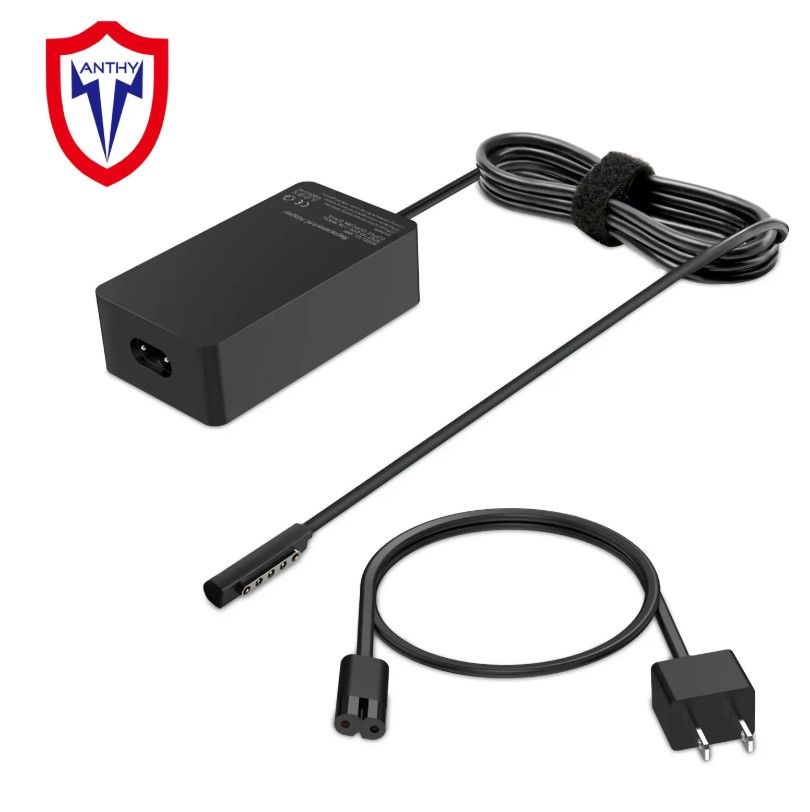
Replacing a lost or failed ac adapter seems straightforward but is a task that requires careful attention to specifications, connector type, and certification status to avoid causing damage to potentially expensive equipment. A wrong replacement adapter — even one that physically plugs in — can deliver incorrect voltage, insufficient current, or unstable power that silently degrades your device over time. This comprehensive guide walks through every step of finding a safe, compatible replacement adapter.
Start with Your Device's Original Specifications
The most reliable reference for replacement adapter specifications is the device manufacturer's official documentation. Check your laptop's user manual or support page for the exact input power specifications. If that documentation is unavailable, the second-best source is the label on your original adapter — it will list output voltage (V), output current (A), and total wattage (W) along with the adapter's model number. Photograph or write down all of this information before you begin shopping. Never rely on physical appearance alone; two adapters with identical barrel connectors may deliver completely different voltages.
Understanding DC Connector Compatibility
Traditional laptop adapters use barrel-type DC connectors that come in dozens of different sizes. The most common dimensions are identified by outer diameter × inner diameter in millimeters: 5.5×2.5mm, 5.5×2.1mm, 4.5×3.0mm, 7.4×5.0mm (Dell-specific), and 4.8×1.7mm (common in HP models). Using a connector with the wrong dimensions can result in an intermittent connection that causes charging to drop in and out, or in severe cases, a connector that fits but makes contact with the wrong internal pin — potentially delivering voltage to the wrong circuit. Always verify the connector specification precisely before purchasing a replacement.
Matching Wattage: Higher Is Safe, Lower Is Not
One of the most common misconceptions about adapter replacement is that wattage must match exactly. In practice, using an adapter with higher wattage than the device requires is perfectly safe — the device will only draw the power it needs, and the adapter will operate comfortably below its maximum capacity, improving efficiency and longevity. Using an adapter with lower wattage than required, however, is problematic. The adapter will be forced to operate at or above its rated capacity continuously, causing it to overheat and potentially fail, while the device may receive insufficient power to operate or charge normally. Always replace with equal or higher wattage, never lower.
OEM vs Compatible Replacement Adapters
Original Equipment Manufacturer (OEM) adapters are produced by or under license from the laptop brand itself and are guaranteed to be specification-correct for your device. Compatible replacement adapters are manufactured by third parties and designed to meet the same electrical specifications. The key variable is quality: a high-quality compatible adapter from a certified manufacturer like Anthy Electronics performs identically to an OEM unit and is often available at a fraction of the cost. A low-quality compatible adapter presents the risks described earlier. The differentiator is manufacturing quality and certification status, not brand name alone. Buying a certified compatible adapter from a reputable manufacturer is a sound, cost-effective decision.
Warranty and After-Sales Support
When purchasing a replacement AC adapter, the warranty terms and after-sales support structure of the seller are important practical considerations. A quality manufacturer stands behind their products with a clear warranty period — typically twelve months or more — and a functional customer service process for defective units. This after-sales support is the practical insurance policy that protects your purchase. Sellers offering no warranty or only thirty-day return windows on electrical components should be treated with skepticism, as this often indicates low confidence in product longevity on the manufacturer's own part. Choose suppliers whose warranty terms reflect genuine confidence in the quality of what they produce.